Composite Container Components Supplier In Mumbai
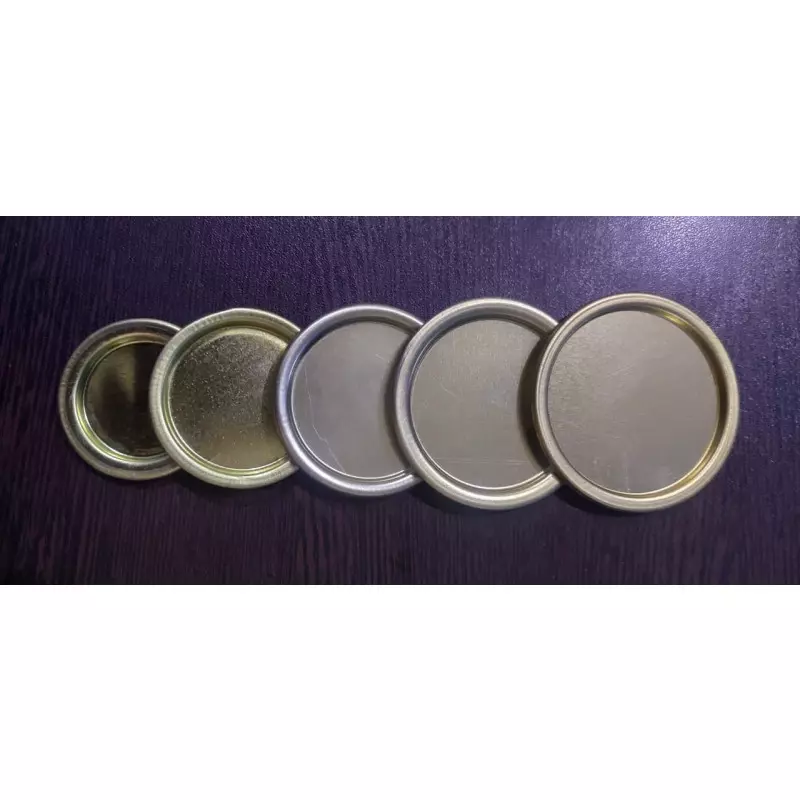
Details of Composite Container Components
Downtime happens too often when composite container parts don't fit well. Handling fixture compatibility needs attention to keep the process smooth and avoid hold-ups in Mumbai's fast-paced packaging lines.
Matching components with existing fixtures reduces mistakes. It's not just about size; shapes and finishes must align so machines run without jamming or damage, or causing slowdowns that ripple through production schedules.
How We Check Compatibility
| Step | What We Do |
|---|---|
| Design Review | Assess customer drawings for exact specs and tolerances |
| Prototype Testing | Create sample parts and fit them on customer's equipment |
| Material Match | Select metals and lacquers that suit both function and machine wear limits |
This practice cuts rejects during assembly. It means fewer stoppages in the line, which helps customers meet deadlines reliably (especially important in cities like Mumbai where traffic delays already strain logistics).
We focus on building trust by being upfront about lead times and part details. If a design has quirks, we flag them early instead of letting issues surface late on shop floors. That way, no surprises hit production teams hard.
If you’re facing trouble with inconsistent component fits or last-minute rejections from your current vendor, explore how better fixture compatibility support can reduce these problems.
Offered Product
