Tin Can Components Supplier In Vadodara
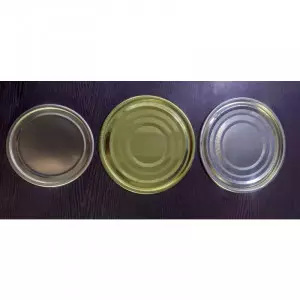
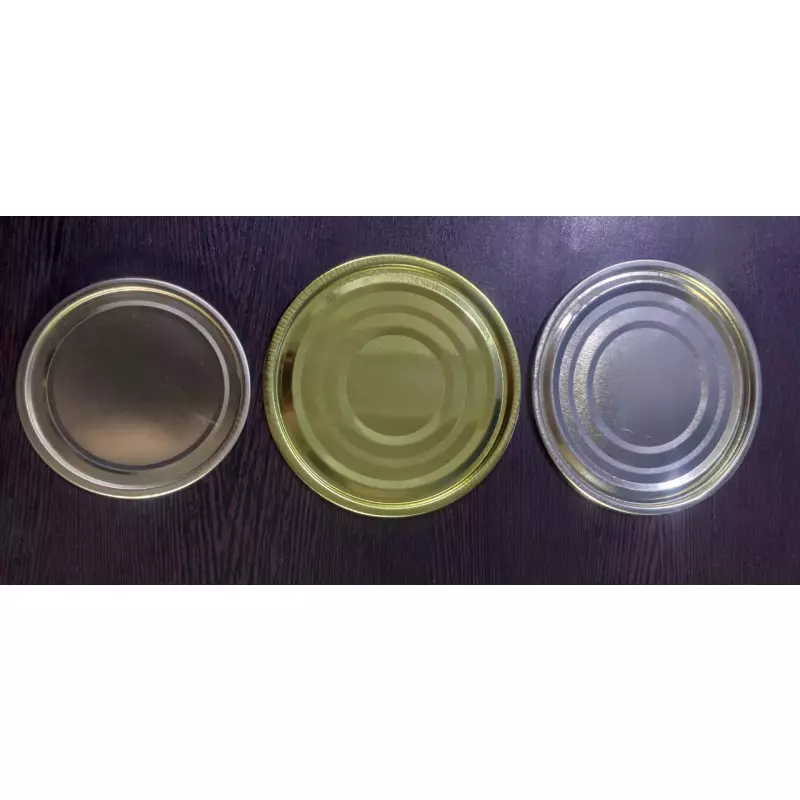
Details of Tin Can Components
Get value-driven supply of tin can components in Vadodara, where pricing matches product standards to support your growth. We deal with a wide range of tin can parts that suit various packaging needs, focusing on quality and reliability without compromise.
Interlayer friction plays a big role here. When assembling tin cans, the slip lid parts and bottoms must fit well but also move smoothly during production. Too much friction means jams or damage; too little and the parts don’t stay put. We keep this balance tight.
How Our Tin Can Parts Fit Together
Material: Premium-grade tinplate chosen for durability and corrosion resistance.
Design: Components made to match customer specs in size and shape, including diameters from 38 mm up to 138 mm.
Surface: Options for internal and external lacquering help protect contents and keep surfaces smooth where needed.
Tolerance: Precision manufacturing keeps components within strict limits so they fit perfectly every time.
The slip lids (both in-tins and out-tins) require careful making because their edges need exact curves to seal well but still open easily. Bottoms also get extra attention since they bear the package weight plus handling stresses (this often depends on what food or goods are packed).
You’ll see our parts work best when assembly lines need both quick fitting and secure locking without extra force—this is not easy at high speeds or when machines vary slightly from day to day.
The Way We Work Behind The Scenes
We start by reviewing client drawings closely—every detail matters from flange height to wall thickness because any mismatch slows down production later on.
Our plant uses updated presses but sticks with proven mechanical processes rather than relying fully on automation; this helps control fine adjustments manually as needed during runs.
Sourcing raw materials locally near Ahmedabad cuts delays but raw stock undergoes thorough checks before use—we can't let weak material spoil final products halfway through orders going out.
Then there's the packing phase: components are stacked carefully, avoiding scratches especially where lacquer layers exist because even minor defects cause rejections downstream once coating peels or corrodes under stress during filling plants operations elsewhere (like Vadodara).
Offered Product
