Composite Container Supplier In Jodhpur
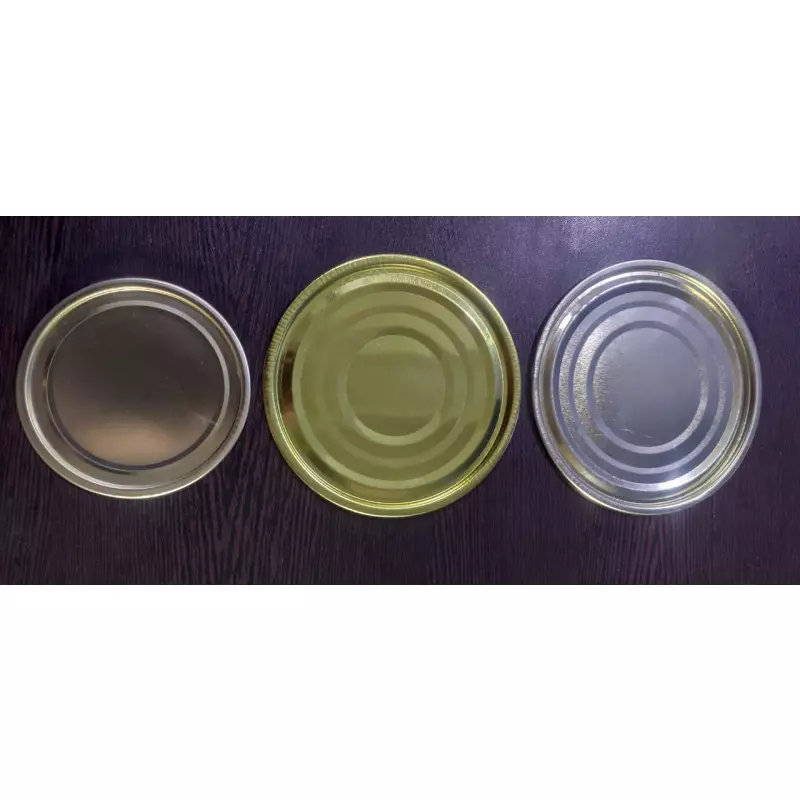
Details of Tin Can Components
Manual processes slow us down. Our composite container supply to Jodhpur cuts errors and delays sharply. The usual headaches in packaging get smoother handling when precision parts come through on time. Packaging depends on fit and finish; without it, there’s waste and rework.
One user switched from generic cans to our tailored composites for their snack line. They found fewer rejects, tighter seals, and consistent shape every batch despite varying humidity levels (Jodhpur gets dry but changes fast). This helped them reduce shelf returns because of leaks or dents that older containers couldn’t stop.
| Issue | Poor sealing with old cans |
|---|---|
| Our Role | Supplied composite cans matched to product specs |
| Outcome | Smoother packing process plus less spoilage |
The tech side matters too; we can add internal lacquering so the container resists corrosion better than tin alone. Some customers want their lids slip-on or snap-out — both doable within size ranges from 38 mm up to 138 mm diameter. Making adjustments for different product types isn't just possible; it's routine here.
On the people front, we keep communication tight. We know how tough it is managing inventory when delivery slips happen repeatedly — especially outside metro hubs like Jodhpur where transport routes add complexity. So we track orders closely and update clients often to avoid surprises.
If you look closely at what sets us apart, it’s not just about making composite containers; it's how we handle each step—from design tweaks to final shipment—so clients feel control over quality without juggling multiple vendors or last-minute fixes (which they hate). That’s why they stay with us longer despite market shifts.
Offered Product
